Introduction to Karate for Kids
Karate is one of the most popular martial arts for children around the world. Many parents look for activities that not only keep their children physically active but also help them develop valuable life skills. Karate provides a unique combination of physical exercise, mental focus, discipline, and character development.
Quick Answer
Karate can be very good for kids because it builds confidence, focus, discipline, coordination, and resilience through structured training. The biggest benefits come from consistent attendance, clear coaching, and a program designed for long-term development.
- How karate helps kids build confidence and discipline
- What age children can start beginner karate classes
- Why structured training matters more than intensity
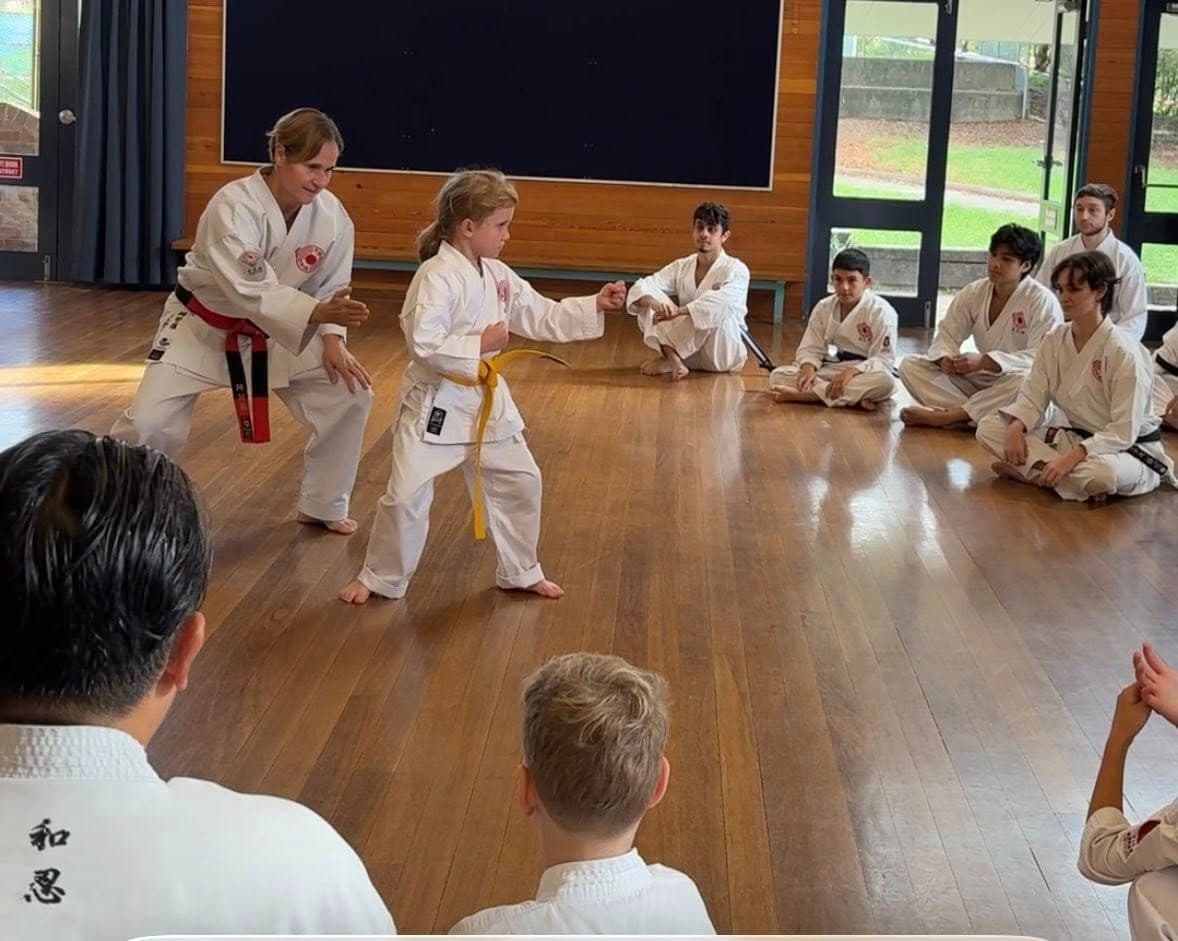
In a traditional dojo environment, children learn much more than punches and kicks. They develop confidence, respect, and perseverance while improving their overall fitness. Karate classes create a structured and supportive setting where children can grow both mentally and physically.
Building Confidence Through Karate
One of the most important benefits of karate for kids is the development of confidence. When children first begin training, they start with basic movements and simple techniques. As they continue to practice and improve, they begin to feel a sense of accomplishment.
Keep going
Want to build confidence, focus, and discipline through structured training?
The karate belt system plays an important role in building this confidence. Each belt represents progress and dedication. When students earn a new belt rank, they see a clear reward for their effort and commitment.
This gradual progression helps children understand that improvement takes time and consistent practice. Over time, they become more confident not only in karate but also in school and other activities.
Developing Discipline and Respect
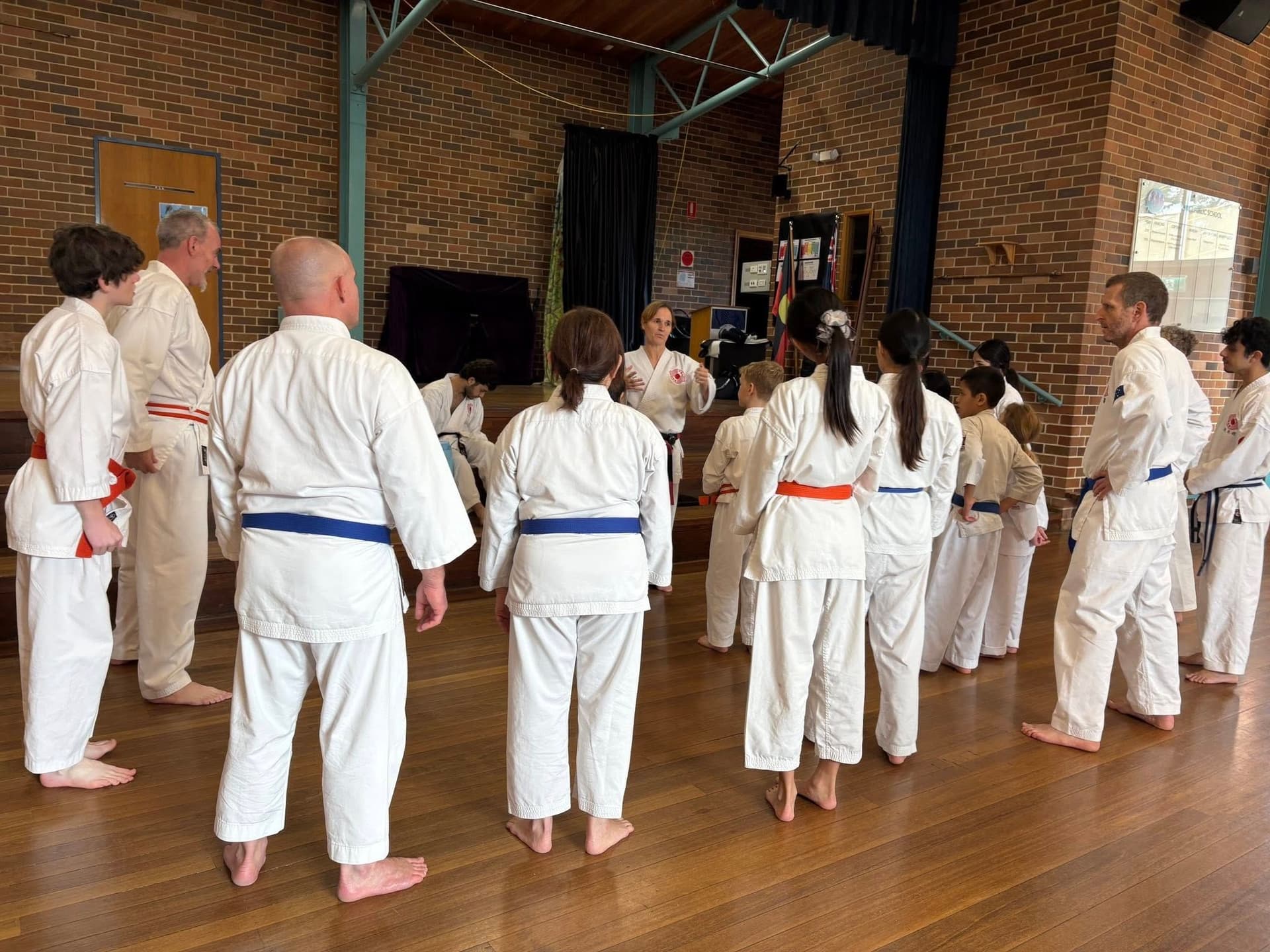
Discipline is a fundamental part of karate training. Every class follows a structured routine that encourages students to listen carefully, follow instructions, and respect their instructors and classmates.
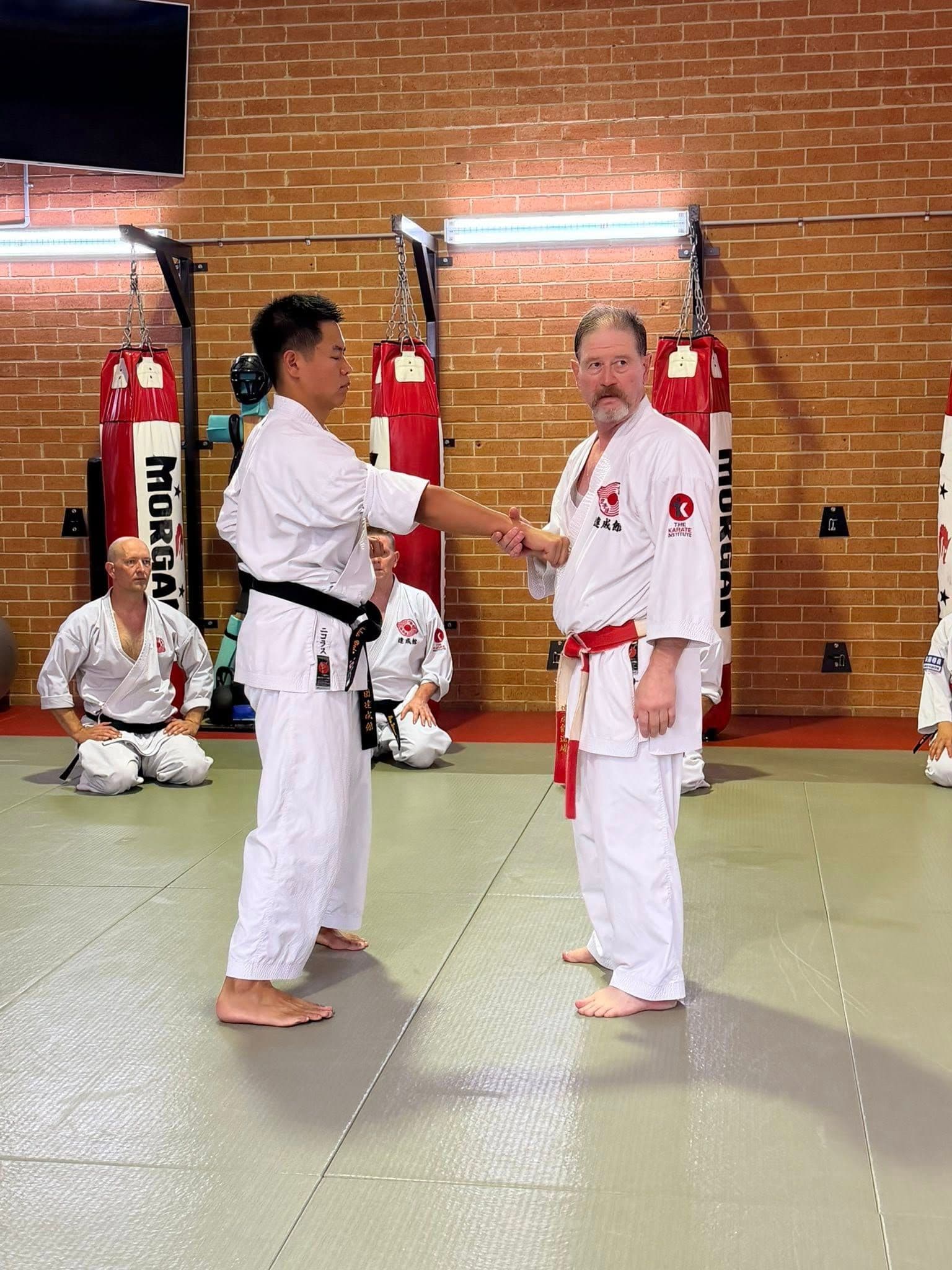
Traditional karate etiquette includes bowing when entering the dojo and showing respect to instructors and fellow students. These customs help children develop good manners and understand the importance of respect.
Karate also teaches self-discipline. Students quickly learn that progress requires patience, practice, and persistence. These habits often carry over into everyday life, helping children become more responsible with schoolwork and personal tasks.
Improving Focus and Concentration
Karate training helps children strengthen their focus and concentration. During class, students must pay close attention to demonstrations and instructions in order to perform techniques correctly.
Learning kata, which are structured sequences of martial arts movements, requires memory, coordination, and concentration. Students must remember each movement and perform it with control and precision.
Some examples of beginner karate techniques include:
• Oi Zuki (Lunge Punch)
• Gedan Barai (Downward Block)
• Age Uke (Rising Block)
• Mae Geri (Front Kick)
Practicing these techniques repeatedly helps children develop strong concentration skills. Many parents notice improvements in their child’s ability to focus on homework and school tasks.
Encouraging Physical Fitness
Karate provides an excellent full-body workout for children. Training sessions typically include warm-ups, stretching, drills, and technique practice that improve strength, flexibility, and coordination.
Regular karate training helps children develop better balance, stronger muscles, and improved cardiovascular health. These physical benefits support overall wellbeing and healthy development.
Because karate is engaging and skill-based, many children enjoy it more than traditional exercise. The combination of learning new techniques and training with classmates makes each class exciting and motivating.
Teaching Self-Defense Skills
Another important benefit of karate for children is learning basic self-defense skills. While karate strongly emphasizes discipline and control, it also teaches children how to protect themselves if necessary.
Students learn situational awareness and how to respond calmly in challenging situations. As their skills improve, they gain confidence in their ability to handle difficult moments without panic.
Instructors also emphasize that martial arts are about responsibility rather than aggression. Children are taught to avoid conflict whenever possible and to use their skills only for protection.
Supporting Emotional Development
Karate training supports emotional growth as well as physical development. Learning new techniques can be challenging, and students may sometimes struggle with difficult movements.
Instructors encourage children to keep practicing and not give up when something feels difficult. Overcoming these challenges helps build resilience and perseverance.
Physical activity also helps children release energy and reduce stress. Many students feel more relaxed, focused, and positive after participating in karate classes.
Developing Social Skills
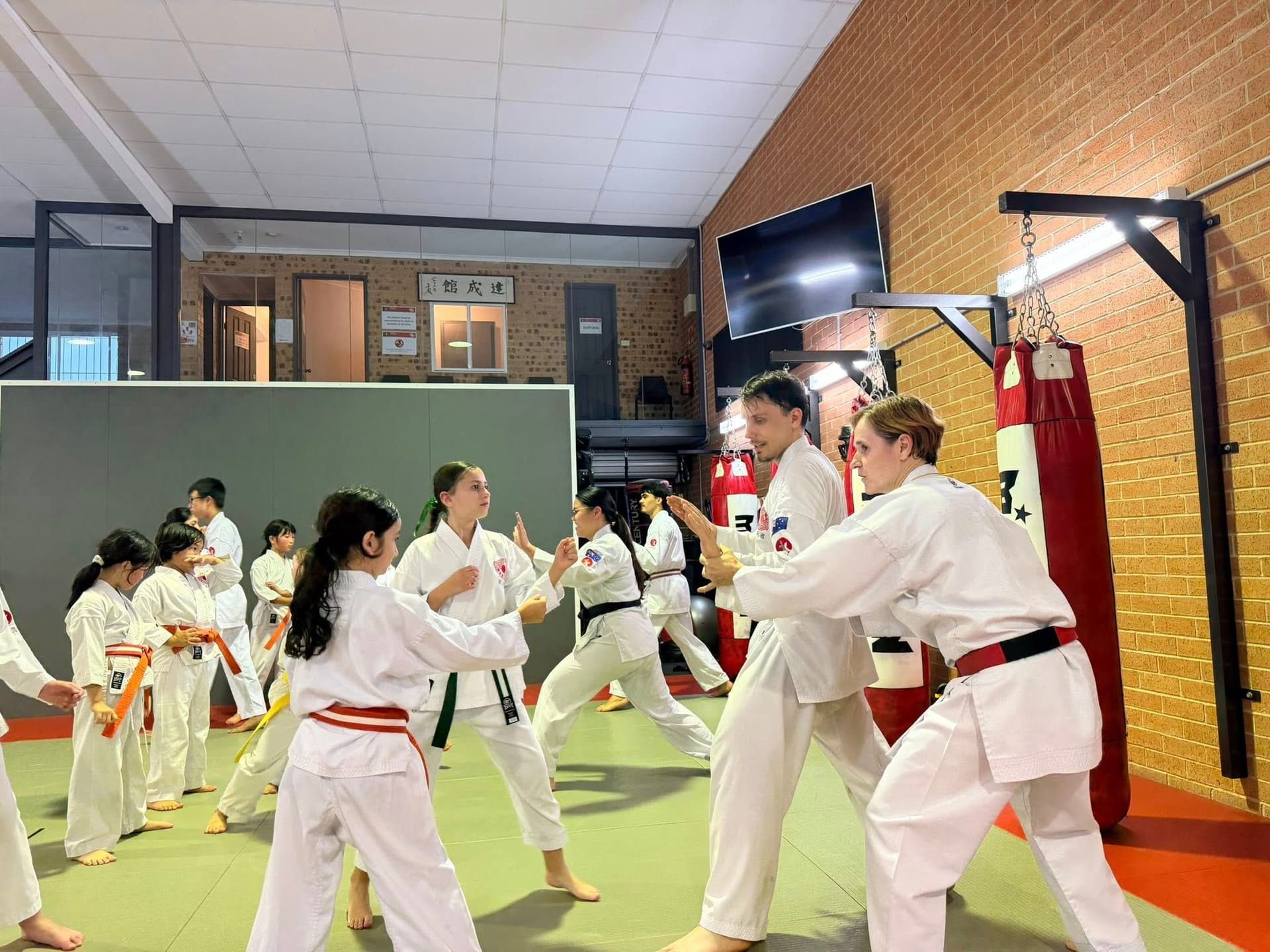
Karate classes provide a supportive community where children train together and encourage one another. Students often practice techniques with partners and participate in group activities.
This environment helps children develop communication skills, teamwork, and respect for others. As students gain experience, they may help beginners learn new techniques, which builds leadership skills and confidence.
Friendships formed through martial arts training can become strong because they are built through shared effort and common goals.
Learning Goal Setting and Achievement
Karate helps children understand the importance of setting goals and working toward them. The belt ranking system gives students clear milestones that mark their progress.
Each grading requires students to demonstrate techniques, perform kata, and show knowledge of karate principles. Achieving a new belt rank teaches children that dedication and consistent practice lead to success.
These lessons help children develop a goal-oriented mindset that can benefit them throughout life.
Why Parents Choose Karate for Their Children
Many parents choose karate classes because they offer both physical activity and character development. Karate training helps children build confidence, discipline, focus, and respect.
At the same time, children stay active, learn practical skills, and become part of a positive community. The lessons learned in karate often extend beyond the dojo and help children succeed in many areas of life.
Karate is more than just a martial art. For many children, it becomes a powerful tool for personal growth, helping them develop the skills and mindset needed to thrive.
Explore local options
Find Karate Classes Near You
Families across the St George area train with us each week. Explore local pages to find the best starting point near you.
Why families choose karate
Why Parents in Sydney Choose Structured Karate Training
- Clear progression and long-term skill development
- Strong focus on discipline, confidence, and respect
- Safe, instructor-led training in a structured environment