Why Your Karate Progress Is Slow (And How to Fix It Fast)
Many karate students feel stuck.
They train regularly.
They show up to class.
But their progress feels slow.
It’s frustrating.
Because effort is there—but results aren’t matching it.
The truth is, slow progress isn’t about talent.
It’s about how you train.
The Real Reason Most Students Progress Slowly
Begin where you are.
Traditional Chito-Ryu karate in Peakhurst — structured training for kids, teens, and adults under a 7th Dan instructor.
Most students repeat techniques.
But they don’t refine them.
They go through the motions.
They focus on finishing—not improving.
And small mistakes get repeated over and over.
That’s where progress slows down.
Because in karate, repetition doesn’t make perfect.
Correct repetition does.
The Power of Small Corrections
The biggest improvements don’t come from big changes.
They come from small corrections.
Hand position.
Body alignment.
Timing.
These details seem minor.
But they change everything.
One adjustment can:
Increase power
Improve balance
Make techniques more efficient
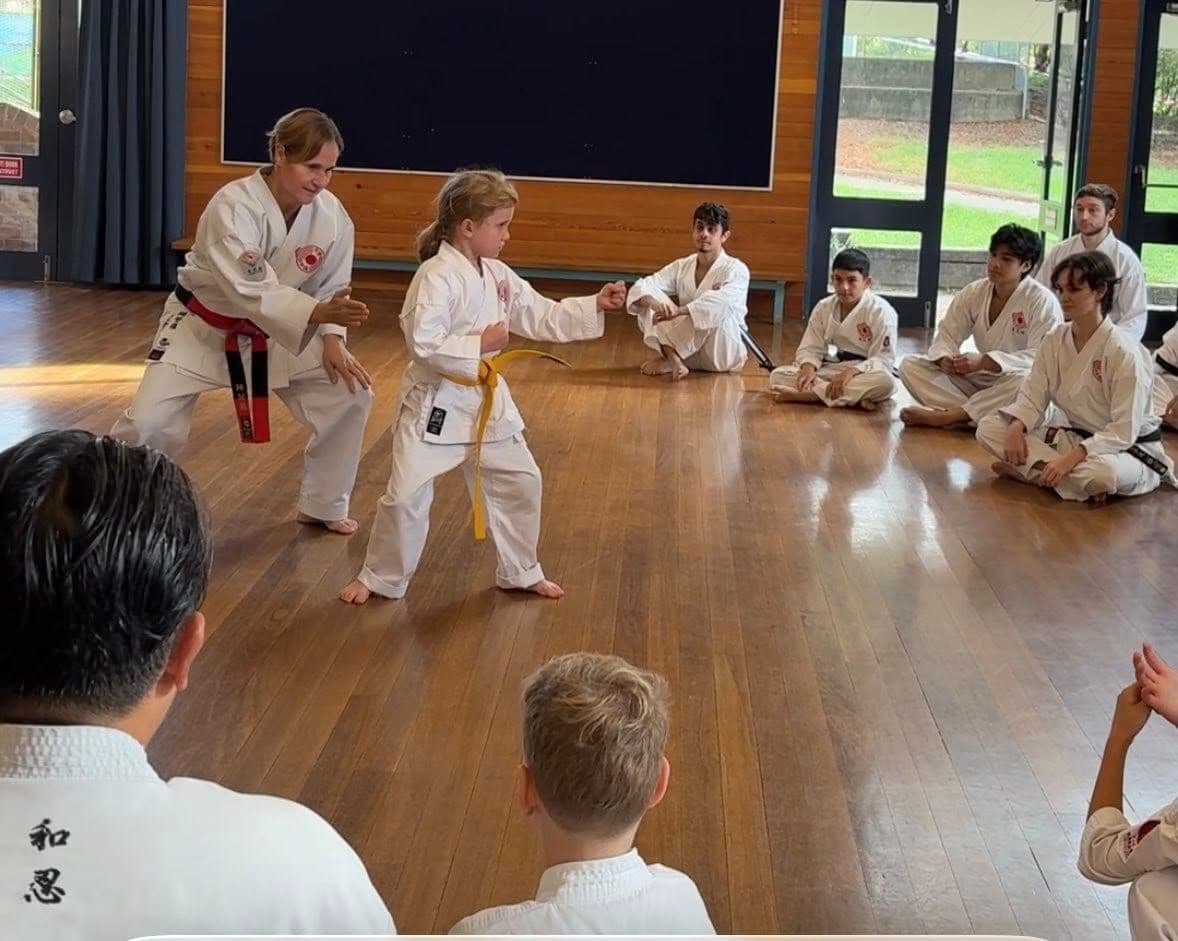
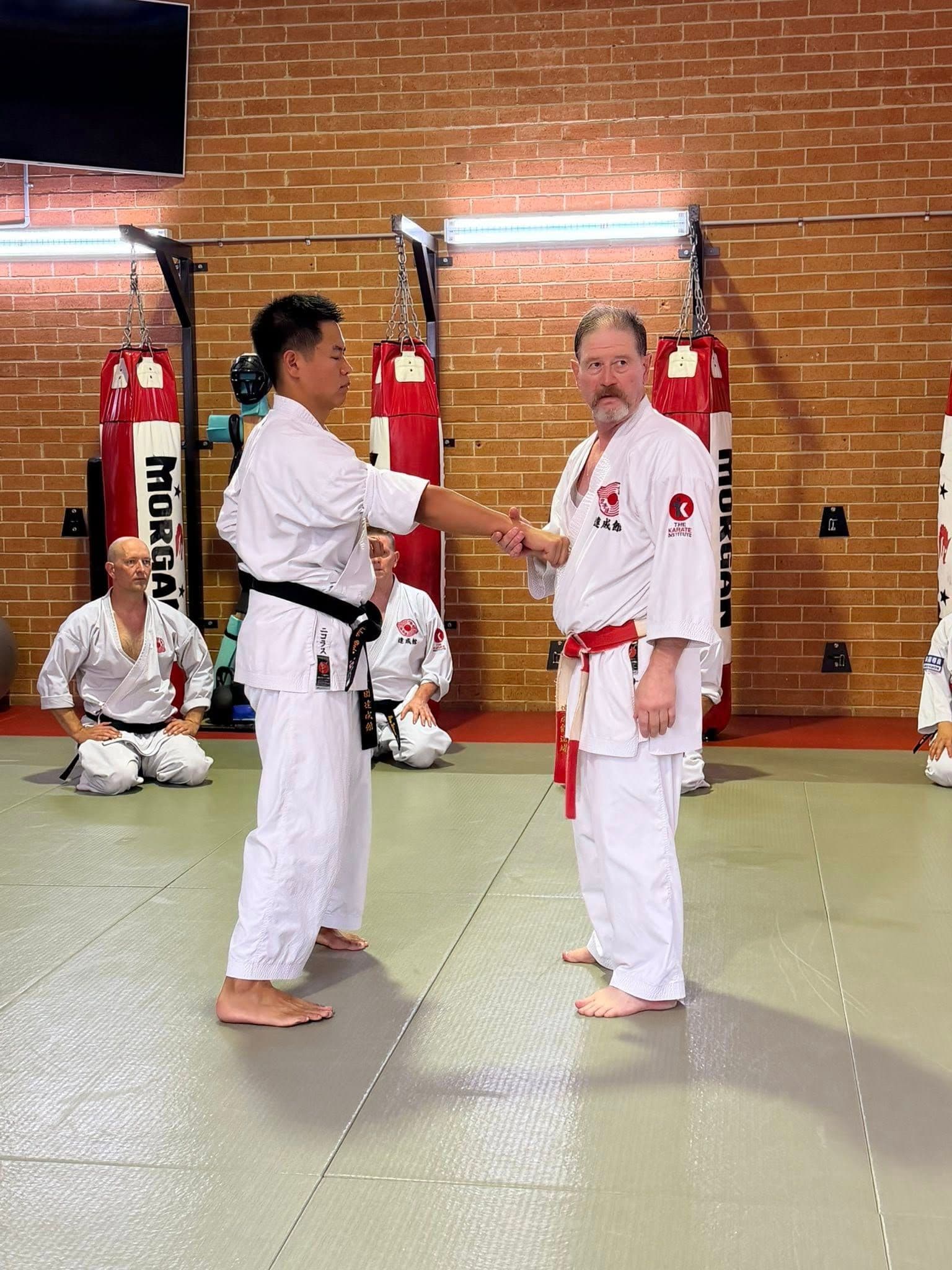
That’s why instructor feedback is critical.
Why Technique Matters More Than Effort
Many students think:
“If I train harder, I’ll improve faster.”
But effort without precision leads to plateaus.
You can practice the same move 100 times.
If it’s slightly wrong—
you’re reinforcing the mistake.
Progress comes from awareness.
From slowing down.
From understanding what needs to change.
How to Fix Your Progress Fast
If you want to improve faster, focus on this:
Pay attention to feedback
Don’t rush repetitions
Train with intention—not speed
Focus on one detail at a time
Quality always beats quantity.
Every time.
What Good Training Looks Like
Good training isn’t about doing more.
It’s about doing better.
You listen closely.
You adjust immediately.
You stay focused on execution.
And over time, those small improvements compound.
That’s when progress becomes noticeable.
The Shift That Changes Everything
The moment you stop just “doing techniques”
and start refining them—
everything changes.
Movements become sharper.
Power increases.
Confidence grows.
And progress finally speeds up.