When people think about karate, they usually imagine powerful punches, lightning-fast kicks, and intense sparring. But beneath the physical techniques lies one of karate’s most valuable gifts: mental sanity and emotional balance.
Quick Answer
Karate training is most effective when it is structured, consistent, and guided by experienced instructors. Whether the goal is confidence, discipline, self-defense, or long-term development, the right program should match the student’s age, experience, and goals.
- How structured karate training supports long-term growth
- Why consistency matters more than intensity
- What beginners should expect from a quality class
Karate is not just a sport—it is a discipline for the mind.
Karate as Moving Meditation
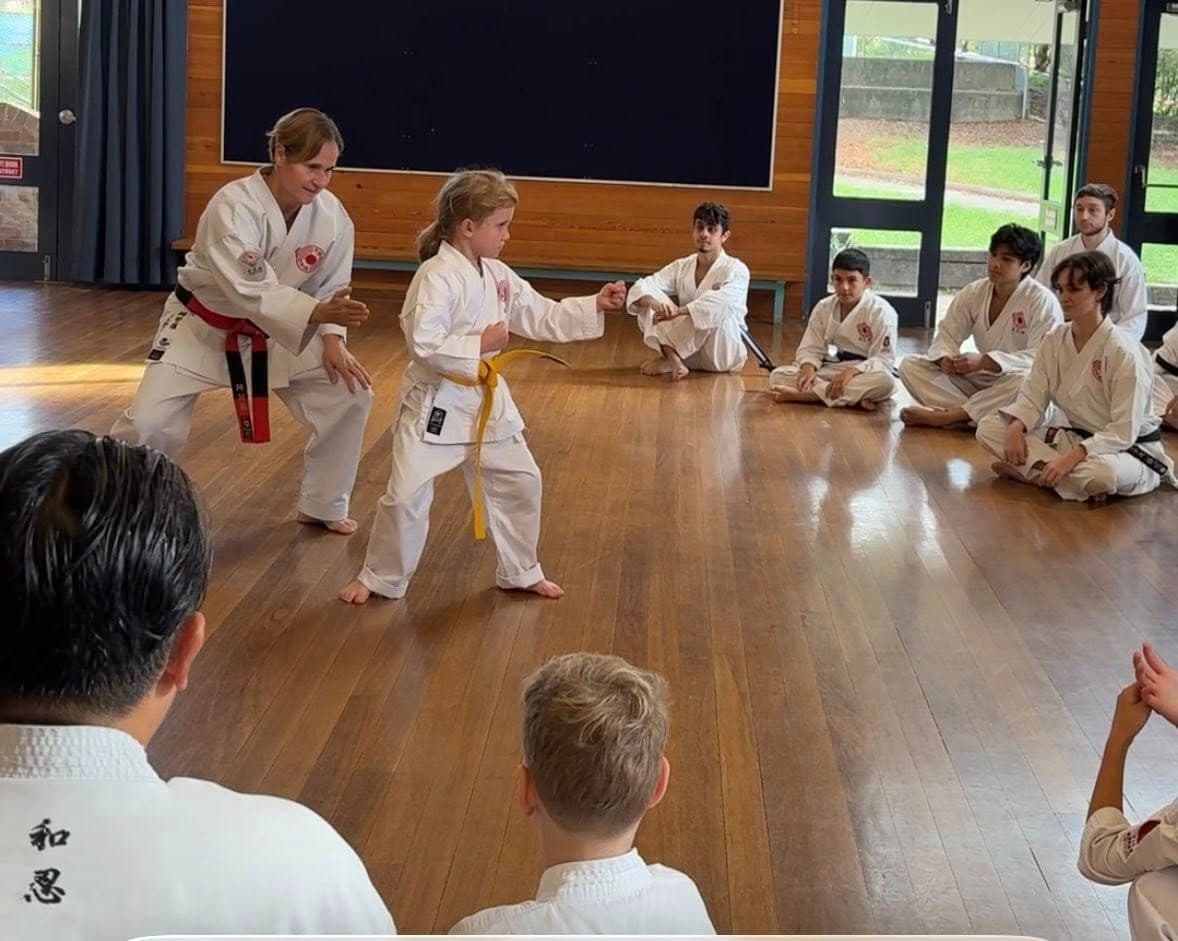
In traditional dojos, students practice kata, structured patterns of movement that require total focus. Every stance, block, and strike must be executed with precision.
Keep going
Want to build confidence, focus, and discipline through structured training?
This intense concentration does something remarkable: it quietly removes mental noise.
During training, worries about work, school, or stress fade away. The mind enters a state similar to meditation—fully present and calm.
Over time, karate practitioners learn how to control their thoughts instead of being controlled by them.
Discipline Builds Mental Stability
Explore local options
Find Karate Classes Near You
Families across the St George area train with us each week. Explore local pages to find the best starting point near you.
Sanity is not simply the absence of stress. It is the ability to remain stable and clear-minded under pressure.
Karate training builds this through:
- Repetition and routine
- Respect for structure
- Focused breathing
- Controlled physical exertion
Every class reinforces patience and persistence. You cannot rush mastery in martial arts. Progress comes from consistent effort over time, which strengthens mental resilience.
Learning to Stay Calm Under Pressure
Why families choose karate
Why Parents in Sydney Choose Structured Karate Training
- Clear progression and long-term skill development
- Strong focus on discipline, confidence, and respect
- Safe, instructor-led training in a structured environment
One of the greatest lessons in karate happens during sparring.
Facing an opponent can trigger fear, adrenaline, and uncertainty. Students quickly realize that reacting emotionally leads to mistakes.
Instead, they must stay calm, observe, and respond strategically.
This lesson transfers directly to real life. Whether facing workplace stress, personal conflicts, or unexpected challenges, karate practitioners develop the ability to remain composed and think clearly.
Karate and Emotional Control
Traditional karate emphasizes self-control over aggression.
A fundamental principle taught in many dojos is:
"The ultimate aim of karate lies not in victory or defeat, but in the perfection of character."
Students learn that true strength is not about dominating others—it is about mastering oneself.
This mindset promotes:
- Emotional awareness
- Reduced impulsive reactions
- Greater patience
- Respect for others
These qualities contribute greatly to maintaining mental stability in everyday life.
A Path to Inner Balance
In a world filled with constant distractions, stress, and digital overload, many people struggle to maintain mental clarity.
Karate offers a powerful solution.
Through structured training, focused breathing, and disciplined movement, practitioners develop a strong, balanced mind alongside a strong body.
The result is not just a skilled martial artist—but a calmer, more centered person.
Conclusion
Karate is often described as a path, not just a practice. While the physical skills are valuable, the deeper reward is the mental transformation that occurs along the journey.
With consistent training, karate becomes more than self-defense—it becomes a tool for sanity, balance, and lifelong mental strength.