The True Value of Karate: Building Discipline, Patience, and Inner Strength
In today’s fast-paced world, many people are conditioned to expect quick results. From instant downloads to overnight success stories, the idea of “fast progress” has become the norm.
Quick Answer
Karate training is most effective when it is structured, consistent, and guided by experienced instructors. Whether the goal is confidence, discipline, self-defense, or long-term development, the right program should match the student’s age, experience, and goals.
- How structured karate training supports long-term growth
- Why consistency matters more than intensity
- What beginners should expect from a quality class
Karate offers something very different.
It is a path that cannot be rushed—a journey built on patience, discipline, and consistent effort. While many students begin karate to learn self-defense or improve fitness, they stay because of the deeper transformation it creates.
Keep going
Want to build confidence, focus, and discipline through structured training?
Karate doesn’t just train the body. It shapes the mindset.
The Value of Patience in Martial Arts
Karate mastery does not happen overnight—and that is exactly what makes it valuable.
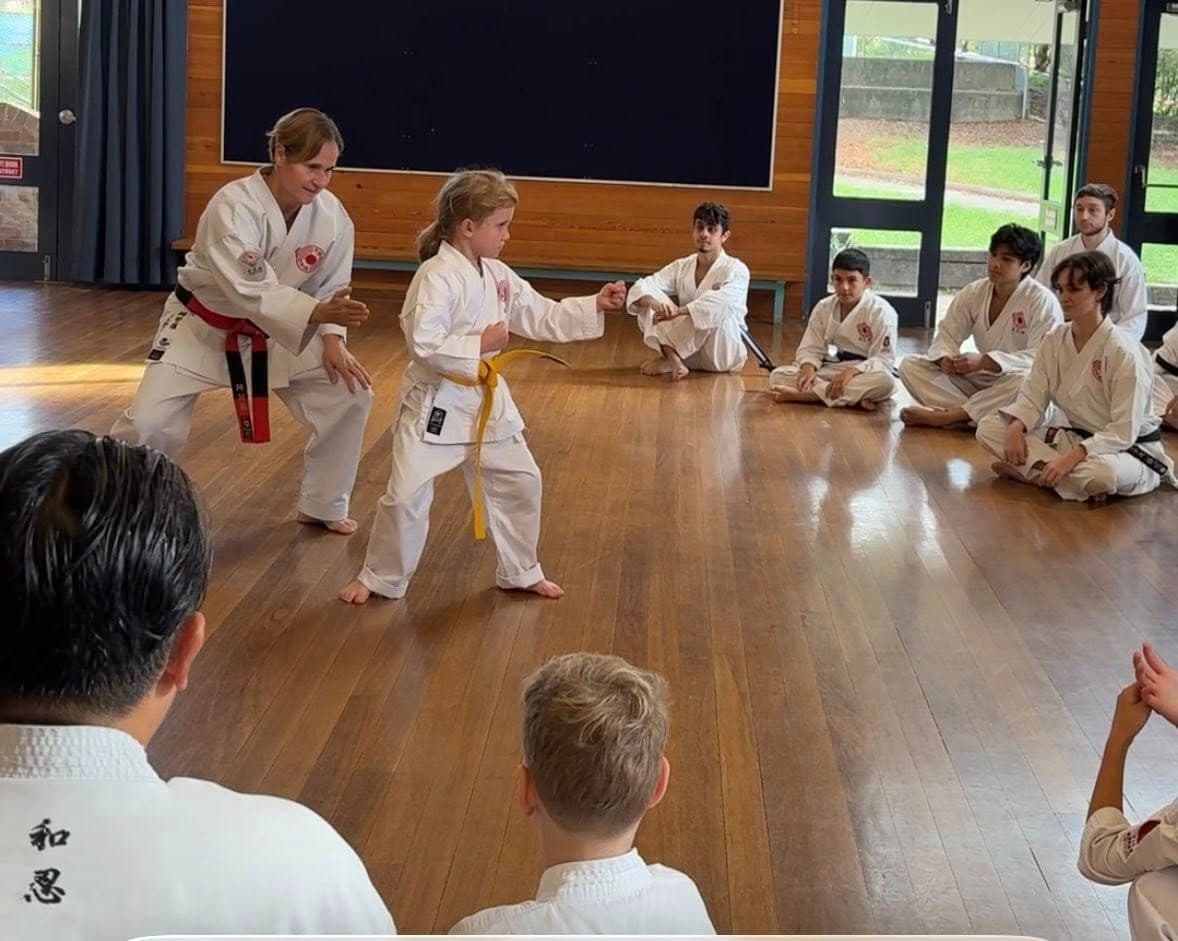
Students spend months, even years, refining basic techniques such as punches, blocks, and stances. At first, these movements can feel repetitive or even frustrating. But over time, students begin to understand that these fundamentals are the foundation of everything they will achieve.
There are no shortcuts in karate.
Every repetition builds muscle memory. Every correction improves precision. Every class adds another layer of understanding.
This process teaches one of the most important lessons in life:
real progress takes time.
In a world that rewards speed, karate teaches the power of persistence. Students learn to trust the process, knowing that consistent effort will always outperform quick, temporary gains.
Discipline: The Foundation of Growth
The Real Benefits of Karate Training
Karate builds more than physical skill—it develops discipline, confidence, and lifelong mental strength.
While many start karate for fitness or self-defense, the real transformation happens internally. Through consistent training, students develop habits and mindsets that impact every area of life.
Why Martial Arts Training Works
Repetition, structure, and challenge create long-term behavioral change. Karate training reinforces discipline, improves focus, and builds confidence through consistent progress and measurable achievement.
Discipline
Stronger Discipline
Students learn to show up, stay consistent, and commit to long-term improvement.
Confidence
Increased Confidence
Overcoming challenges in training builds belief in personal ability.
Focus
Better Focus
Structured training improves concentration both inside and outside the dojo.
Control
Emotional Control
Students develop calmness and control under pressure.
Why Karate Delivers Lasting Results
Unlike short-term fitness trends, karate focuses on long-term development. It builds both physical ability and mental discipline that lasts beyond training.
Character Development
Training builds discipline, respect, and resilience.
Long-Term Growth
Progress is built over time through consistent effort, not shortcuts.
Structured Progression
Clear milestones (belts) create motivation and measurable growth.
A Powerful Alternative to Screen Time
Karate provides a structured, active environment that replaces passive screen time with meaningful physical and mental development.
Start Your Training Journey Today
Build discipline, confidence, and strength through structured martial arts training. Join a dojo that focuses on real growth.
No experience needed. All skill levels welcome.
Discipline is at the heart of every karate class.
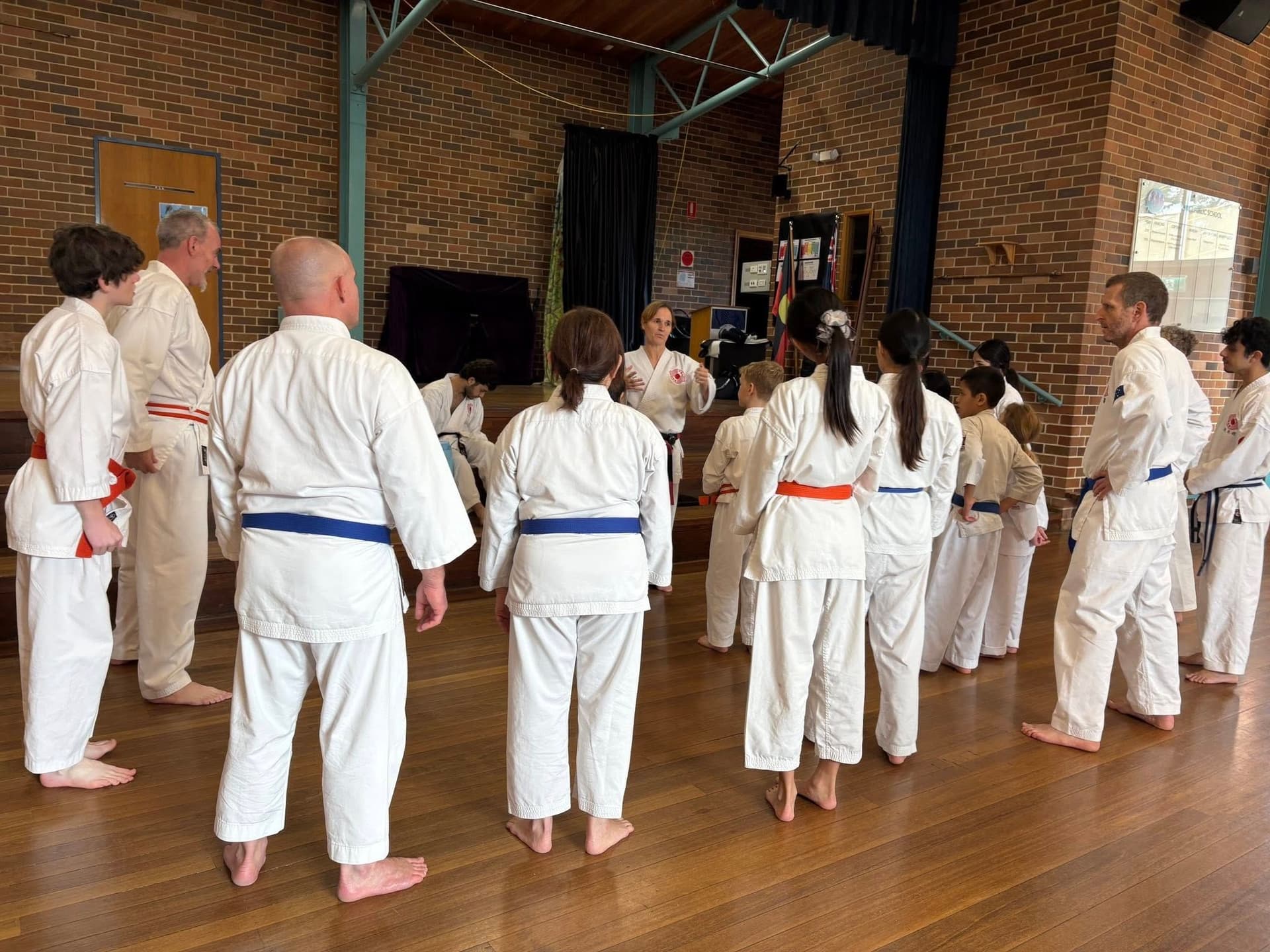
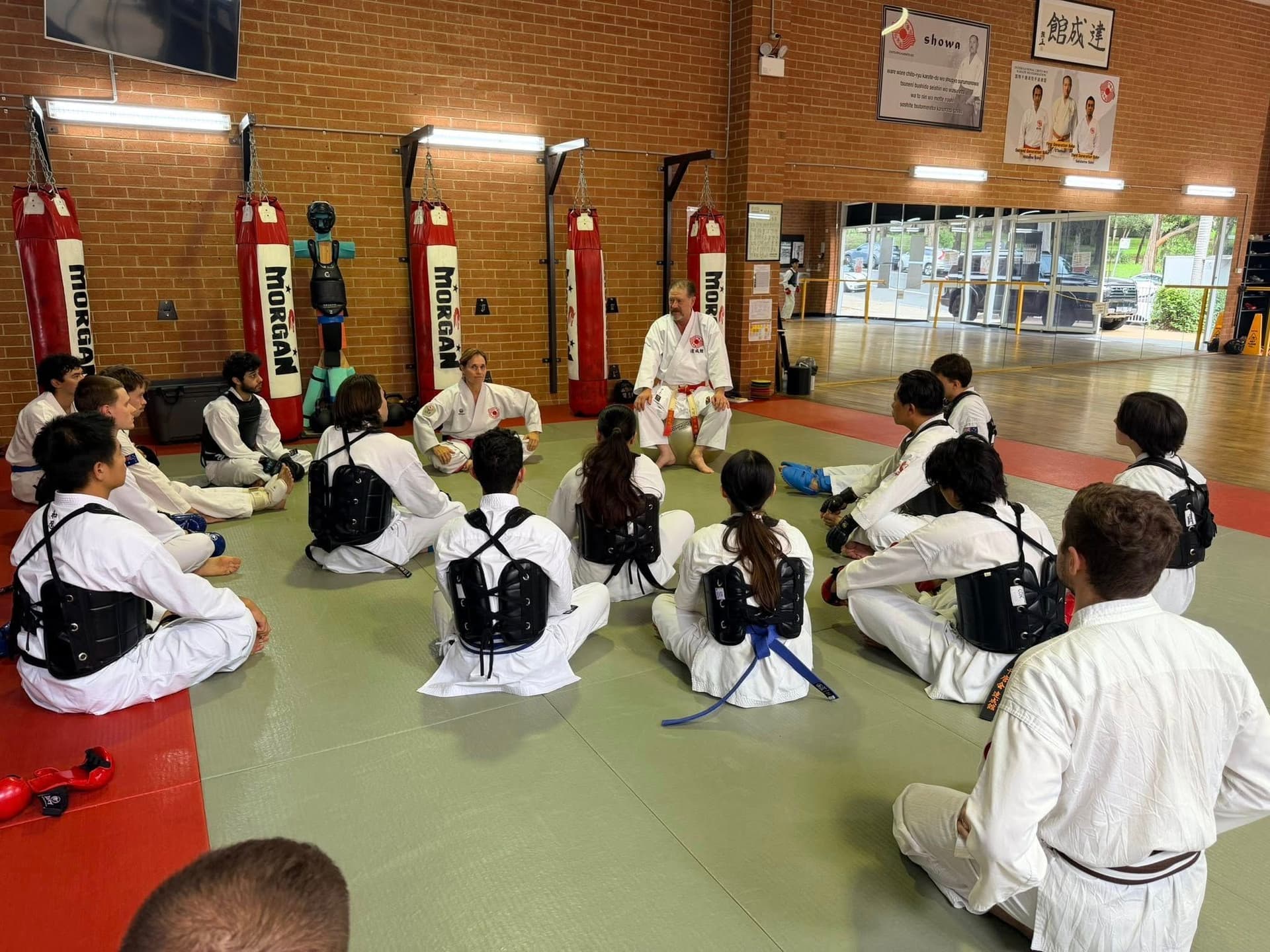
From the moment students step into the dojo, they follow a structured routine. They bow as a sign of respect, listen carefully to instruction, and train with focus and intention.
These small, consistent actions build powerful habits.
Discipline in karate means:
- Showing up, even on days when motivation is low
- Practicing techniques repeatedly until they improve
- Staying focused during training, even when it becomes challenging
- Respecting instructors, training partners, and the training environment
Over time, this discipline extends far beyond the dojo.
Students begin to approach school, work, and personal goals with the same mindset. They become more consistent, more focused, and more resilient in the face of challenges.
Developing Inner Strength Through Challenge
Karate training is physically and mentally demanding.
Holding deep stances, performing complex kata, and engaging in sparring all require endurance, control, and determination. There are moments when training feels difficult—when muscles burn, focus fades, or frustration sets in.
These are the moments that matter most.
Instead of giving up, students learn to push forward. They develop the ability to stay calm under pressure and continue despite discomfort.
This is where inner strength is built.
With each challenge overcome, confidence grows. Students begin to realize that their limits are not fixed—they can be expanded through effort and perseverance.
Over time, this confidence carries into everyday life, helping them face challenges with a stronger, more composed mindset.
Respect and Humility: Core Principles of Karate
Karate is rooted in tradition, and one of its most important principles is respect.
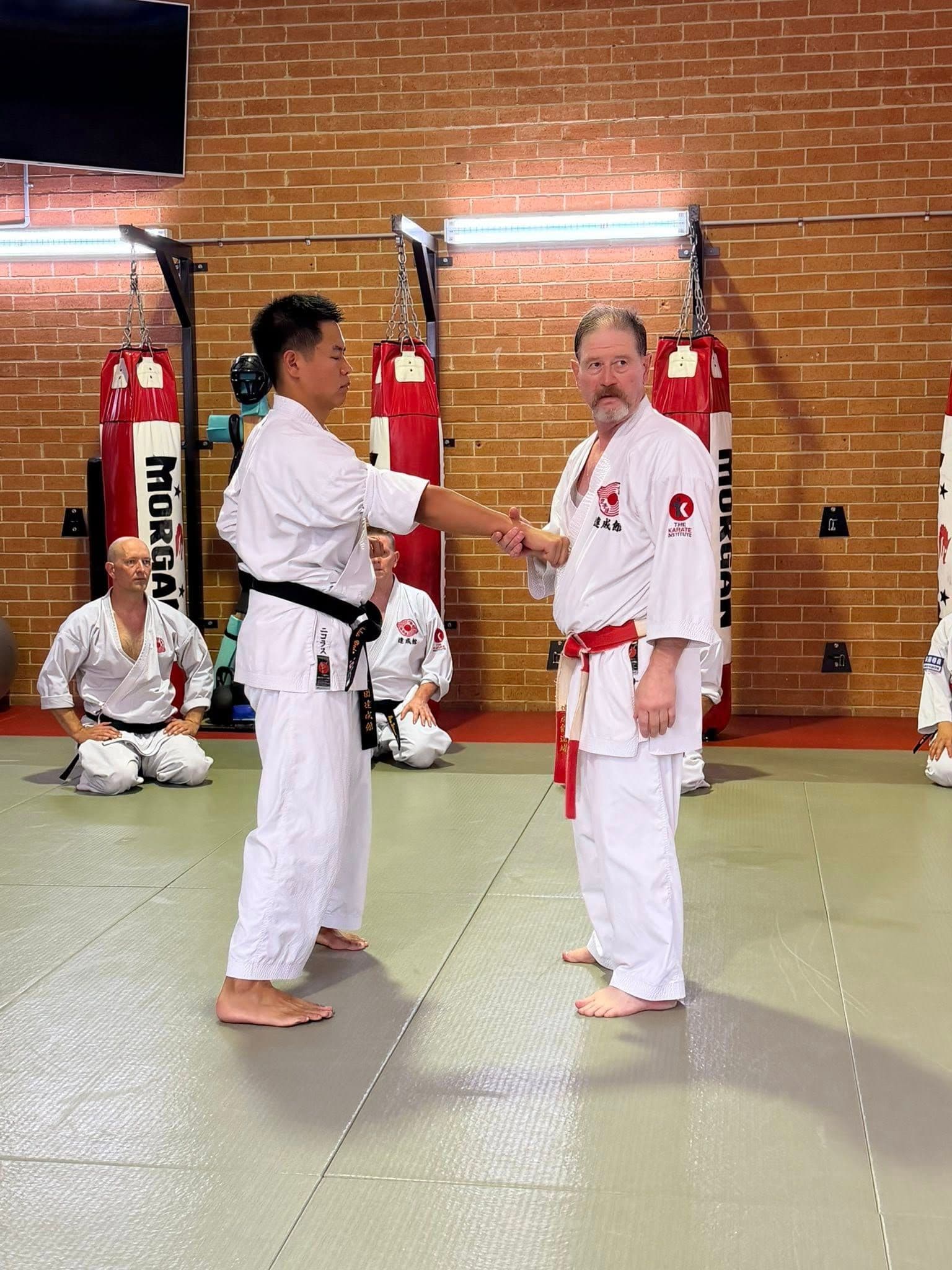
Students bow to instructors, training partners, and the dojo itself. This simple act is a reminder that martial arts are not about ego or dominance—they are about learning, growth, and mutual support.
Respect in karate means:
- Valuing your instructor’s guidance
- Supporting your training partners
- Recognizing that there is always more to learn
Humility plays an equally important role.
No matter how skilled a student becomes, there is always another level to reach. This mindset keeps practitioners grounded and open to continuous improvement.
Together, respect and humility create a positive training environment where everyone can grow.
Karate Beyond the Dojo
The true impact of karate is seen outside the dojo.
The lessons learned during training begin to influence everyday life in meaningful ways. Students often notice improvements not just in their physical abilities, but in their mindset and behavior.
“Confidence isn’t taught—it’s trained.
Join a dojo that builds more than skill.”
Karate practitioners often experience:
- Improved focus and concentration at school or work
- Greater confidence in challenging situations
- Better emotional control during stress or conflict
- A stronger sense of responsibility and accountability
What starts as a martial arts class becomes a foundation for personal growth.
Karate becomes more than an activity—it becomes a way of thinking and living.
Why Karate Stands Apart
Unlike many modern fitness trends or short-term programs, karate offers long-term value.
It is not about quick transformations or temporary results. It is about building skills and character that last a lifetime.
Through consistent training, students develop:
- Patience to trust the process
- Discipline to stay committed
- Strength to overcome challenges
- Respect for themselves and others
These qualities extend far beyond physical training. They shape how individuals approach every area of life.
Conclusion
Karate is not just about learning how to fight. It is about learning how to grow.
Through patience, discipline, and perseverance, students build not only physical ability but also mental strength and character. These lessons stay with them long after they leave the dojo.
In the end, karate is not about becoming the strongest person in the room—it is about becoming the best version of yourself.
Explore local options
Find Karate Classes Near You
Families across the St George area train with us each week. Explore local pages to find the best starting point near you.
Why families choose karate
Why Parents in Sydney Choose Structured Karate Training
- Clear progression and long-term skill development
- Strong focus on discipline, confidence, and respect
- Safe, instructor-led training in a structured environment